Solar Monitor: Real-Time Solar Flares, X-Ray Flux & Sunspots
The Sun right now, live from NOAA SWPC, NASA SDO and SOHO — X-ray flares, CMEs, solar wind and the sunspot number.
Every panel is observed measurement or published model output from NOAA SWPC, NASA SDO and SOHO. Nothing here computes or implies any correlation, and nothing predicts.
HOW ACTIVE IS THE SUN RIGHT NOW?
Real-time flare detection & energy flux📈 X-Ray Flux (Solar Flares)
GOES · SWPC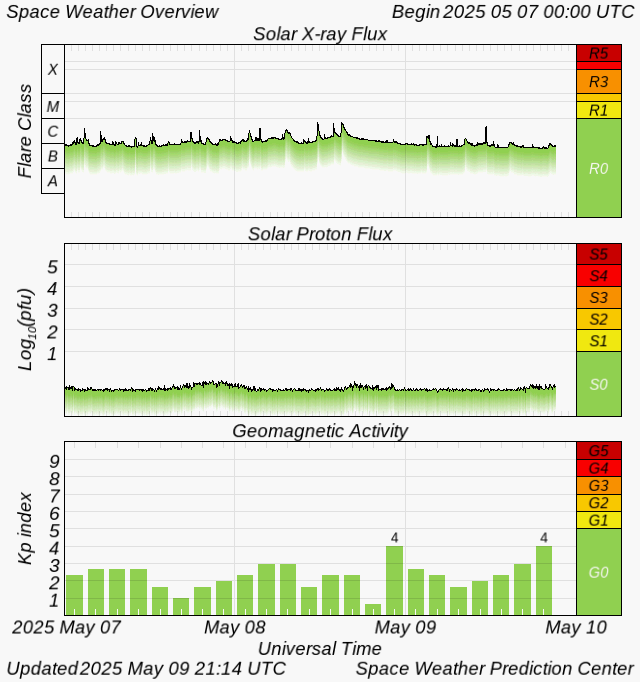
⚡ Proton Flux
ACE SIS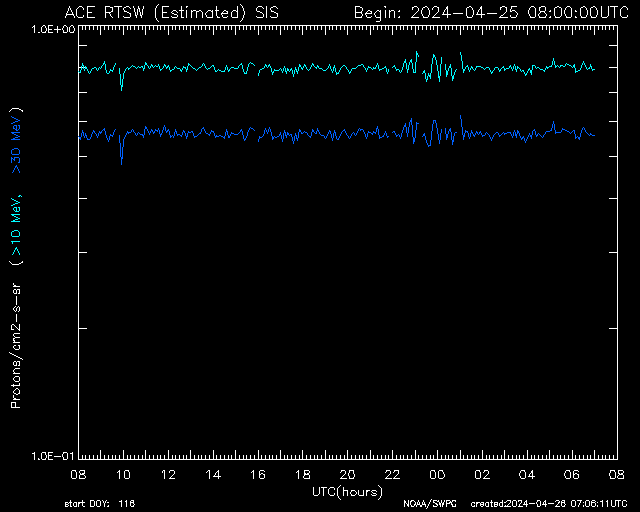
⚡ Electron Flux
ACE EPAM
🔆 Solar Cycle Progression
SILSO · ROB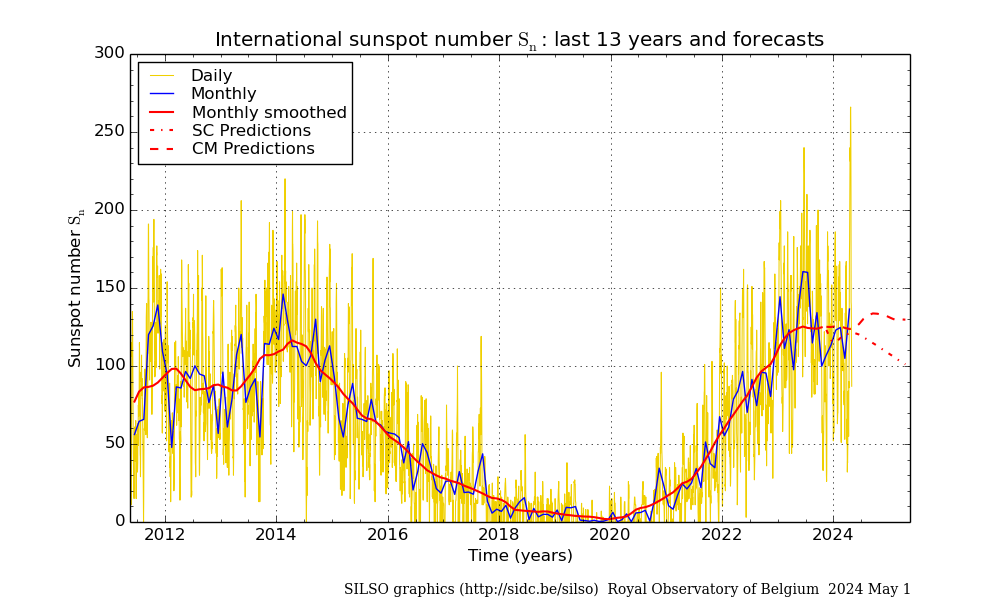
WHAT DOES THE SUN LOOK LIKE IN 6 WAVELENGTHS?
GOES-19 Solar Ultraviolet Imager094Å
Flares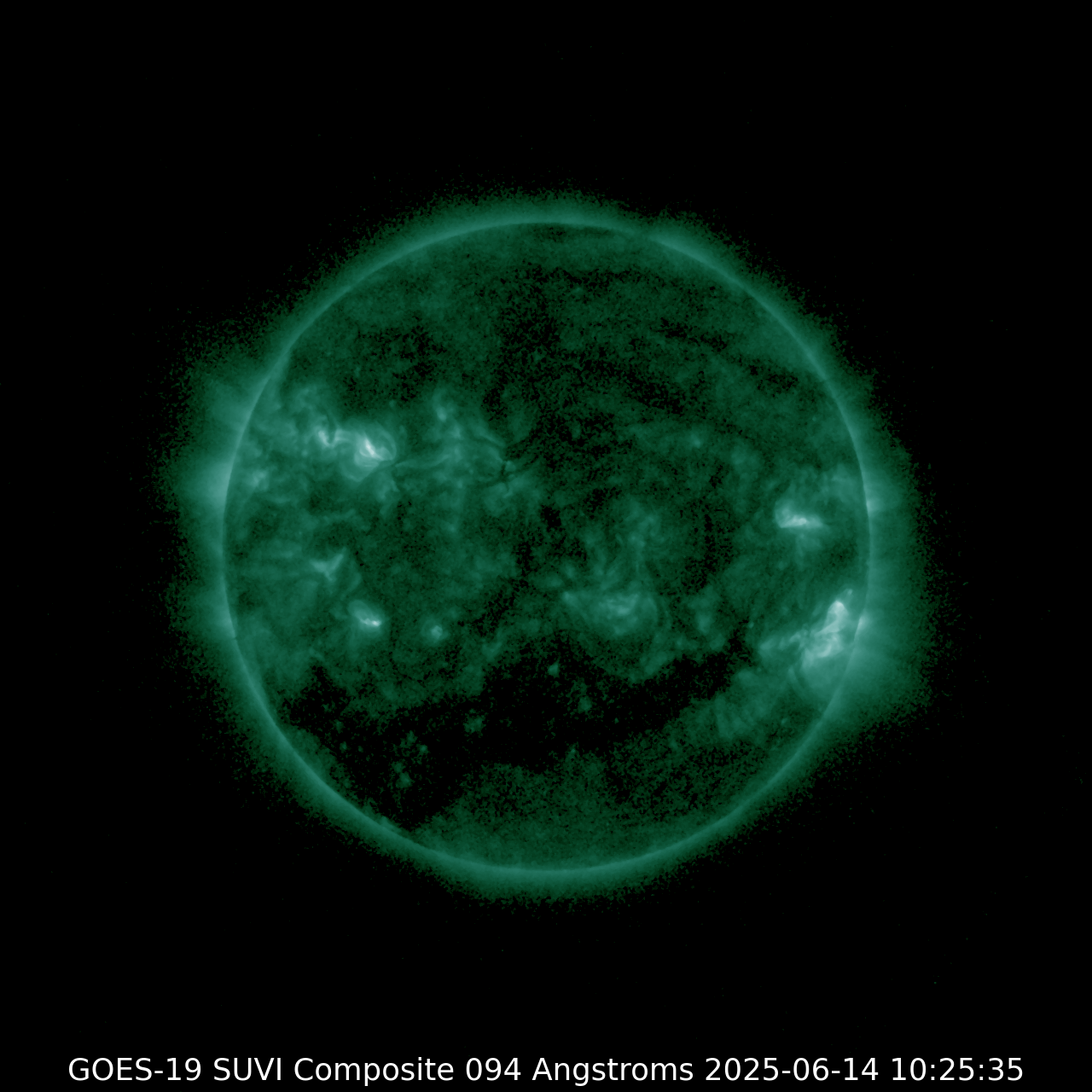
131Å
Active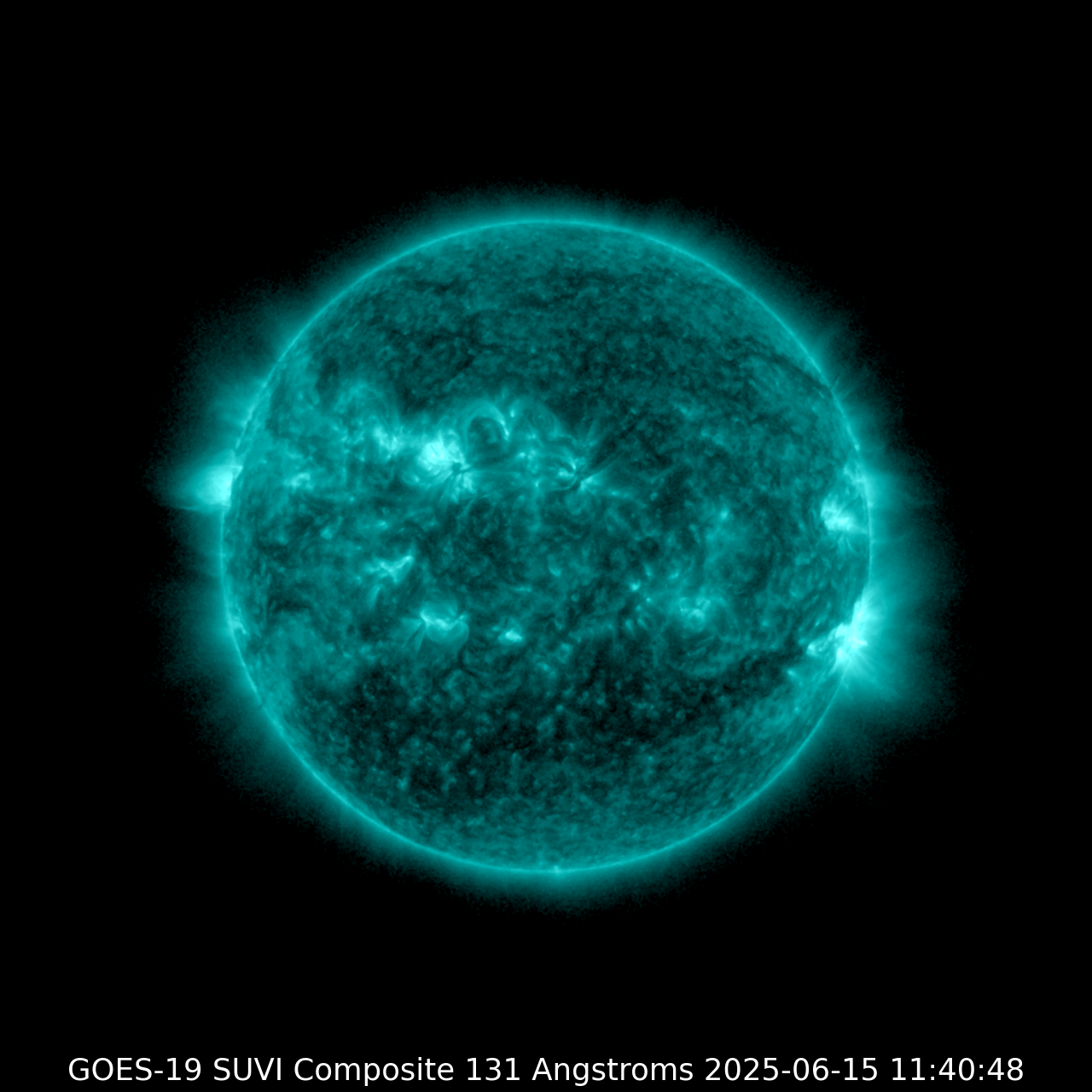
171Å
Corona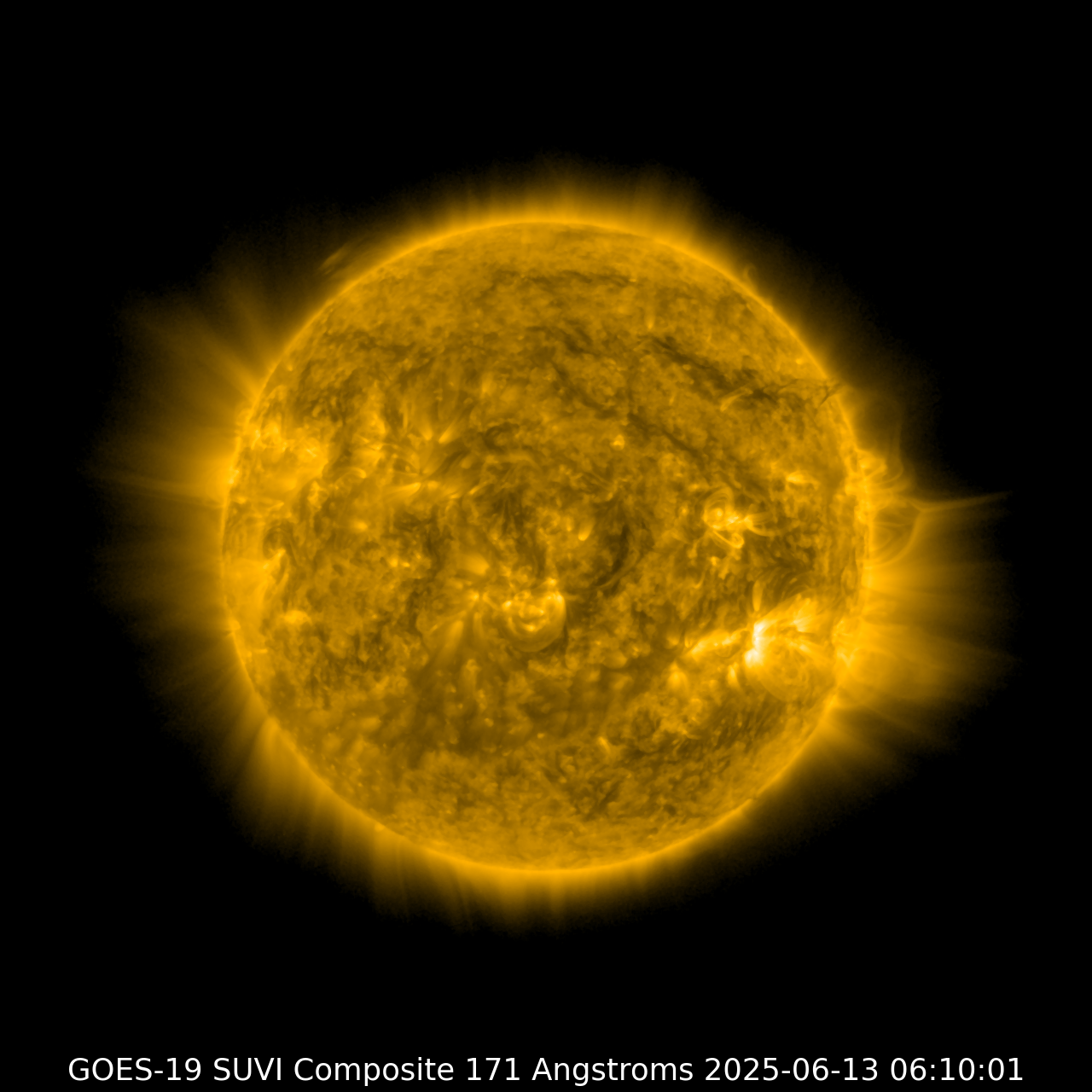
195Å
Loops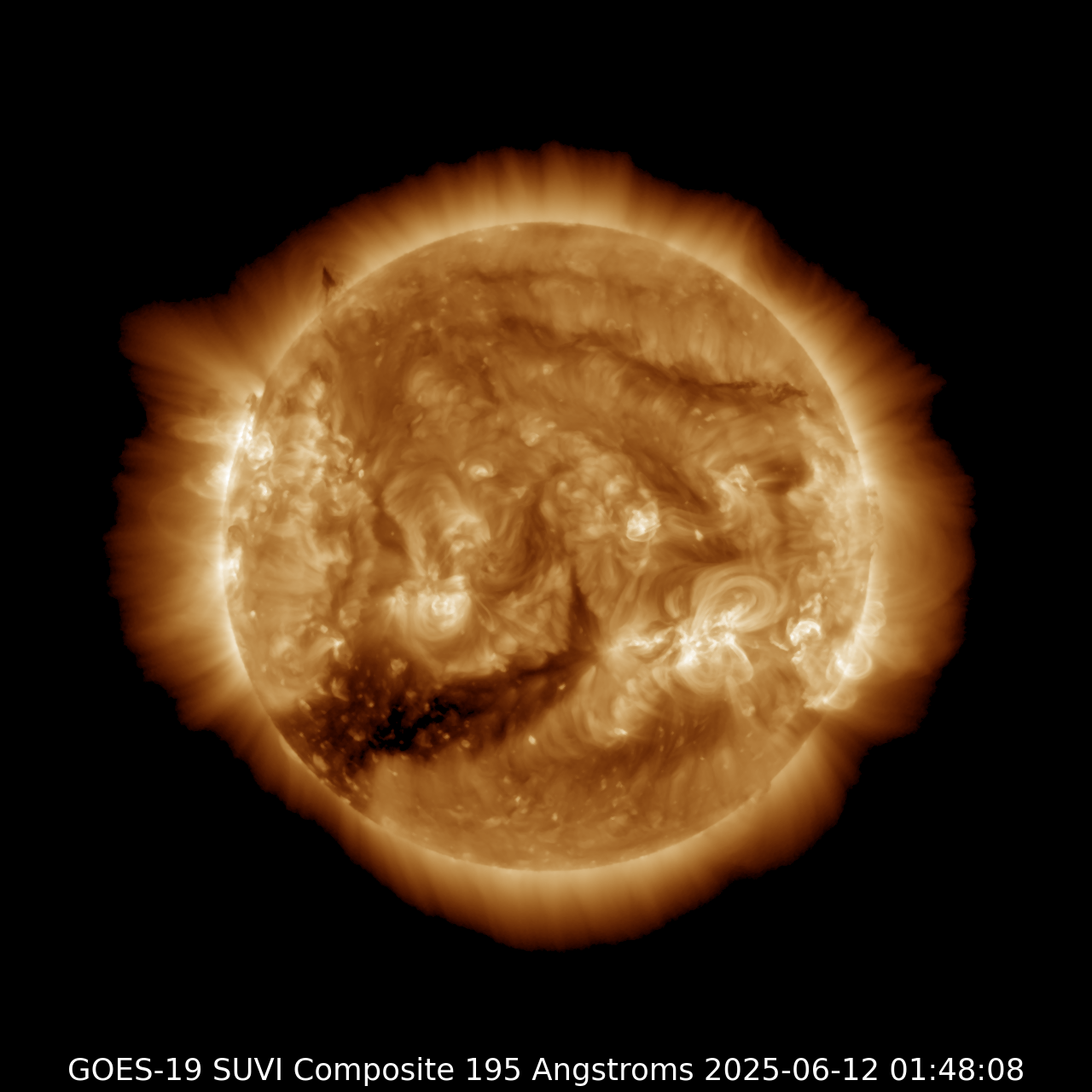
284Å
Regions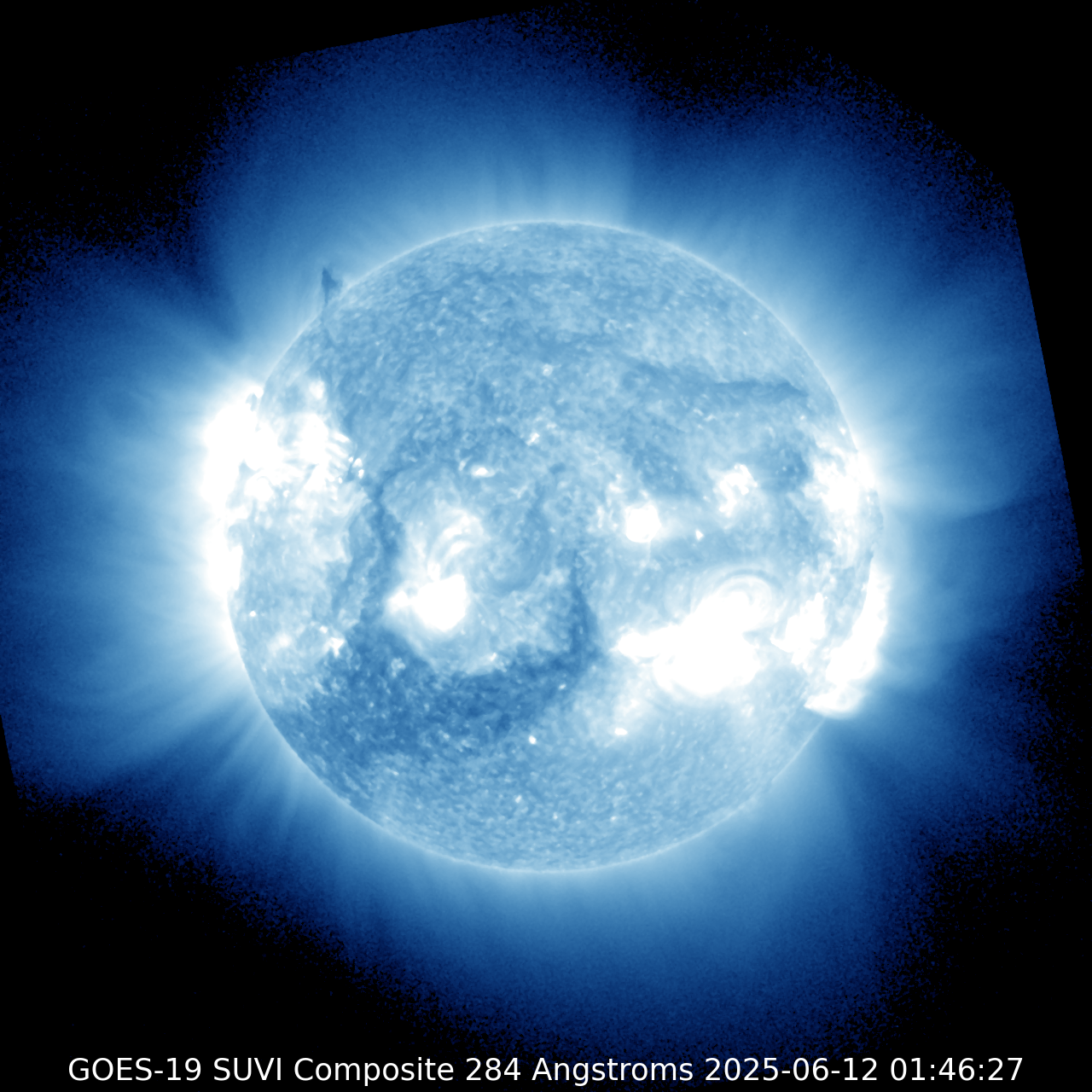
304Å
Chromo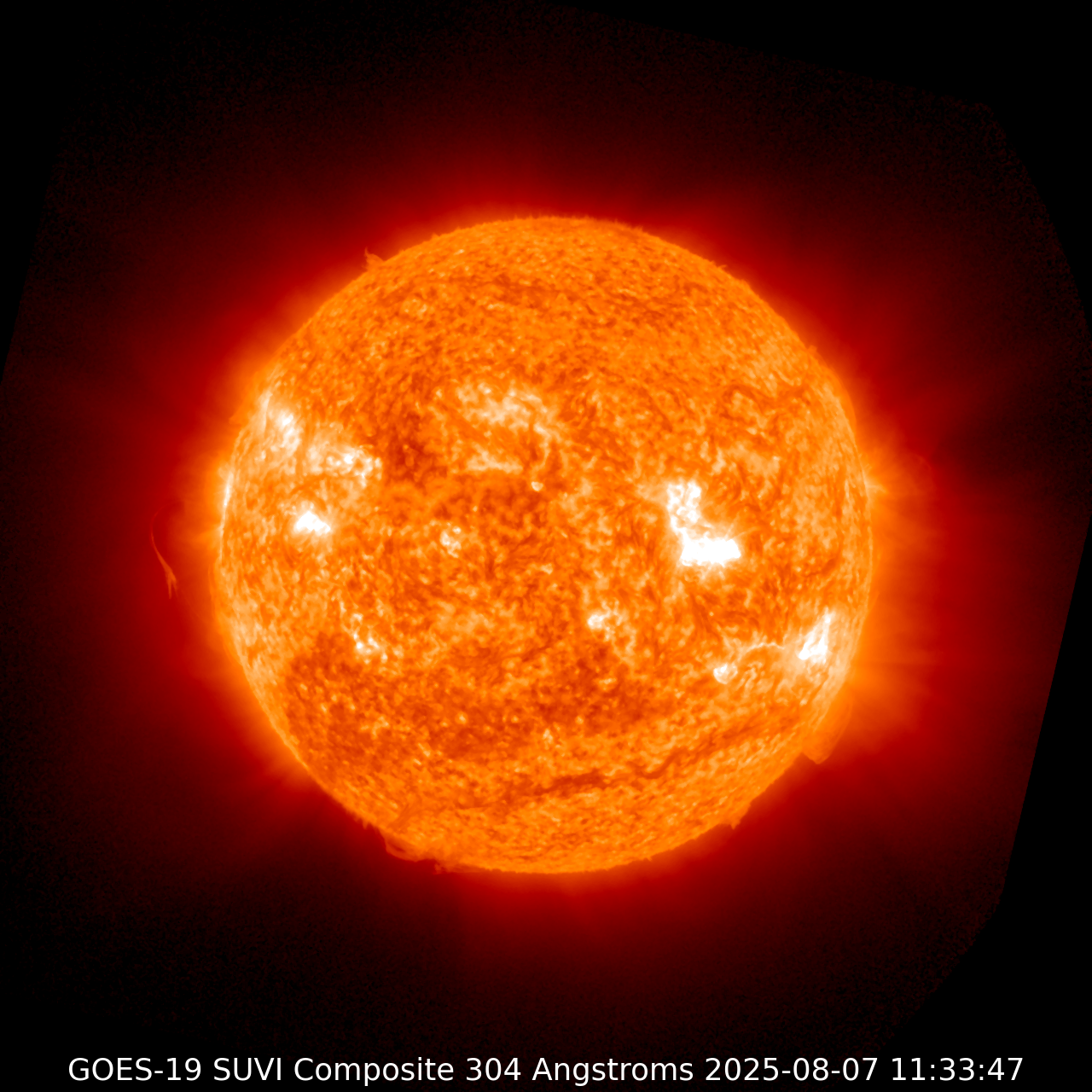
HOW ARE CMEs DETECTED? — CORONAGRAPHS
Coronal Mass Ejection monitoring🔭 LASCO C2 Coronagraph
SOHO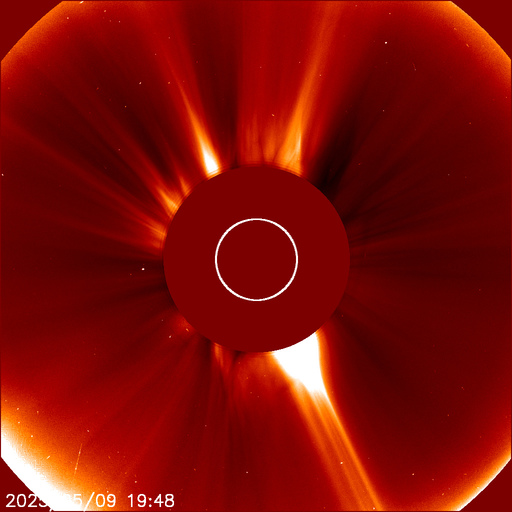
🔭 LASCO C3 Coronagraph
SOHO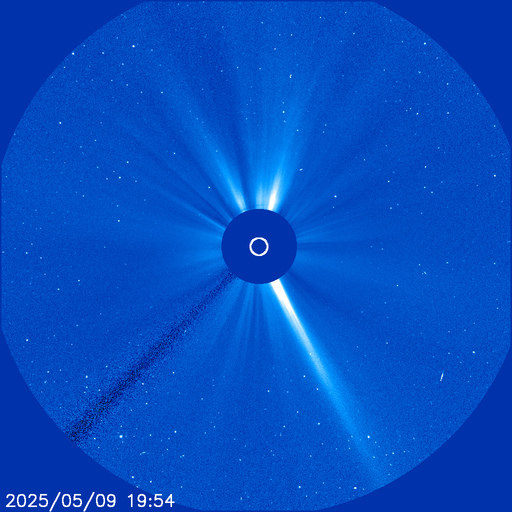
HOW FAST IS THE SOLAR WIND?
DSCOVR L1 position & geomagnetic response — aurora now on the Sky monitor💨 Solar Wind (24hr)
DSCOVR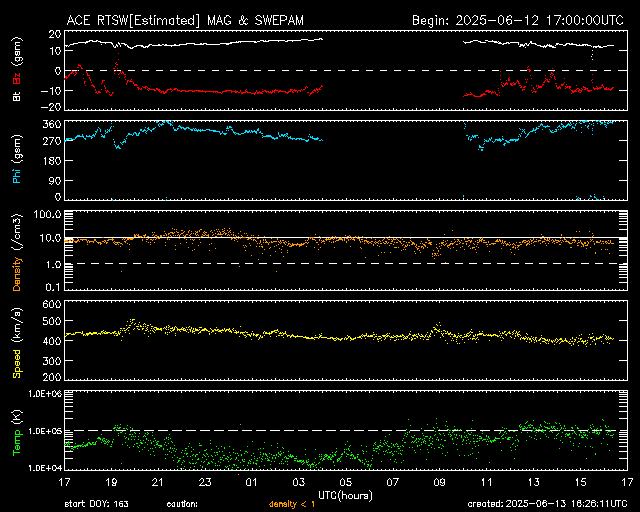
🧲 Kp Index
NOAA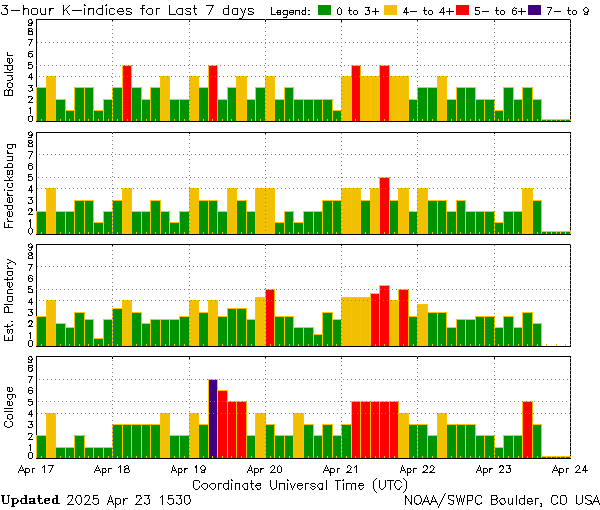
🧲 Dst Index
Kyoto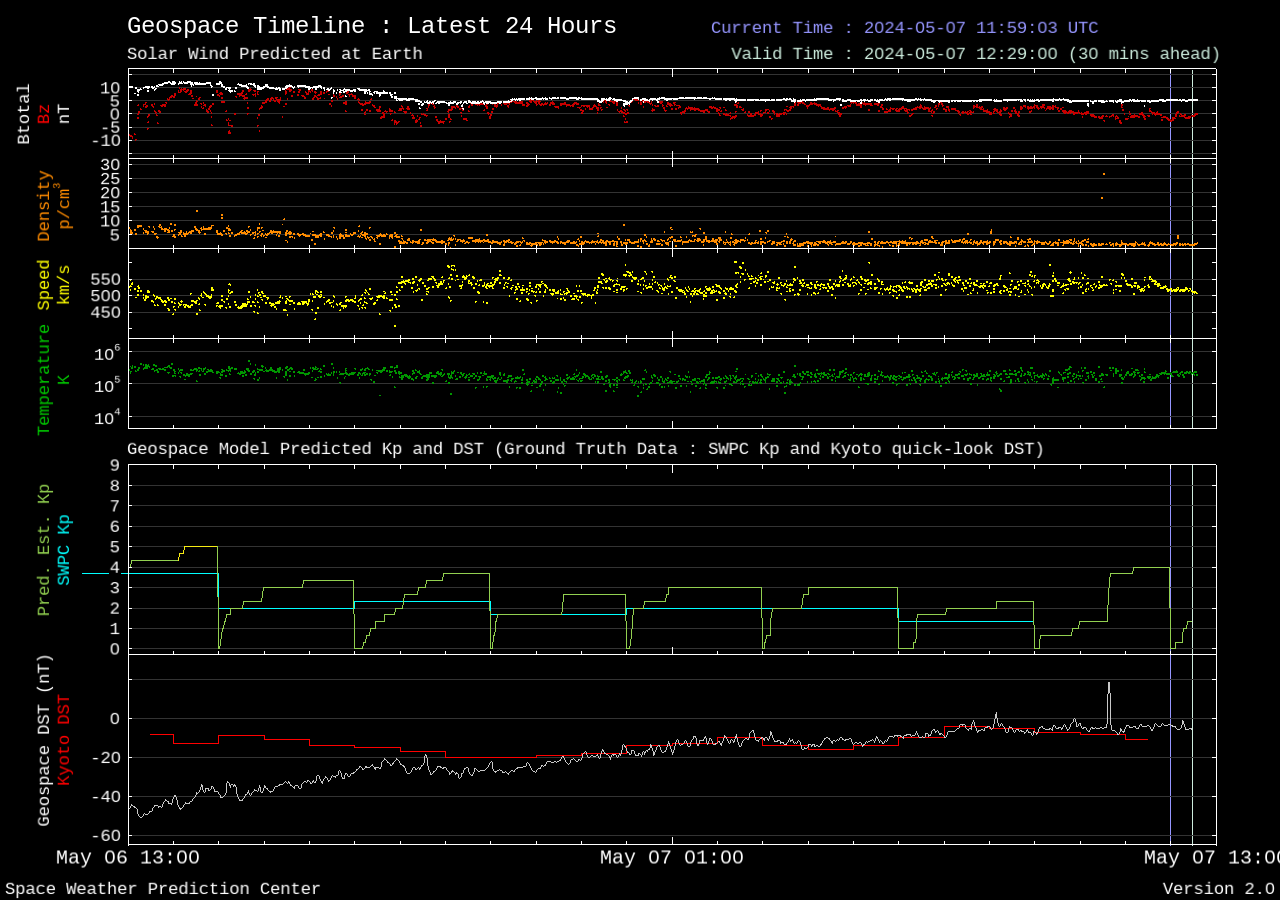
IONOSPHERE & RADIO PROPAGATION
HF absorption & Total Electron Content📡 D-RAP (HF Absorption)
NOAA
WSA-ENLIL CME PROPAGATION MODEL
Solar Wind Activity🌀 Enlil Solar Wind Density
NASA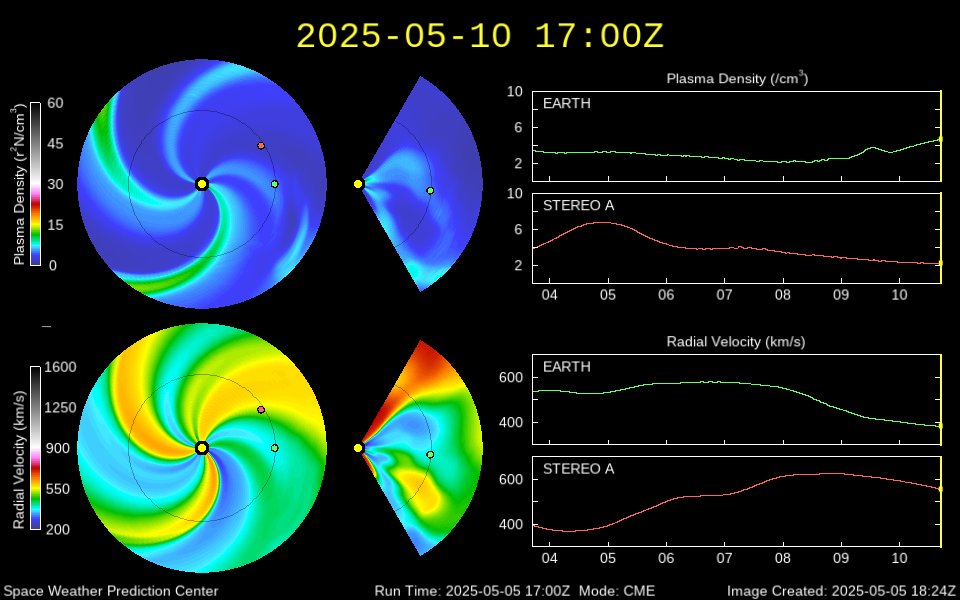
📊 3-Day Solar Wind
DSCOVR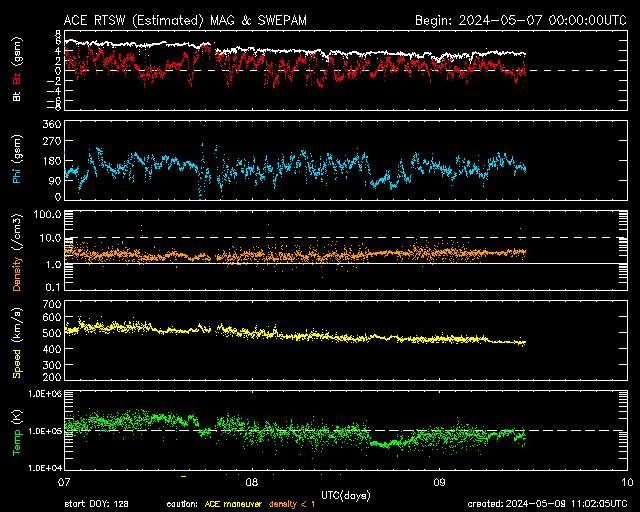
What did Nikola Tesla's 1905 patent say about waves in the earth?
“Recognizing in the existence of these waves an unmistakable evidence that the disturbances created had been conducted from their origin to the most remote portions of the globe and had been thence reflected, I conceived the idea of producing such waves in the earth by artificial means with the object of utilizing them for many useful purposes for which they are or might be found applicable.”
Where does this page's data come from?
- NOAA SWPC — space weather: Kp index, X-ray flux, protons, solar wind
- NASA SDO — Solar Dynamics Observatory imagery
- ESA/NASA SOHO — LASCO coronagraphs (CMEs)
- Royal Observatory of Belgium, SIDC/SILSO — sunspot number
- Kyoto WDC for Geomagnetism — Dst index
- Nikola Tesla — US Patent 787,412, Art of Transmitting Electrical Energy through the Natural Mediums (1905, public domain), Google Patents
- Nikola Tesla — Colorado Springs Notes, 1899–1900 (our primary-source page)
Every live panel on this page is observed measurement or published model output from these sources, reproduced as published.
The Whole Planet. $3.69 a Month.
One price. Every monitor, every feed, every tool. Founding member pricing — locked in for as long as you stay.
Get Full Access — $3.69/mo$3.69/mo locked for life — normal price $9.63/mo · Less than a cup of coffee · Cancel anytime
What do people ask about the Solar Monitor?
How are solar flares classified?
NOAA classifies solar flares into five letter classes — A, B, C, M and X — by their peak soft X-ray flux, measured in watts per square meter by GOES satellites. Each letter is ten times stronger than the one before. The X-ray panel shows that GOES flux live.
What is the difference between a solar flare and a CME?
A solar flare is a burst of electromagnetic radiation that reaches Earth at the speed of light. A coronal mass ejection is a cloud of magnetized solar plasma, billions of tons of it, travelling hundreds of kilometres per second. On this page, CMEs appear in the SOHO coronagraph panels.
Where does the Solar Monitor's data come from?
Every panel is observed measurement or published model output: NOAA SWPC for X-ray flux, protons, Kp and the real-time solar wind; NASA SDO and SOHO for imagery and coronagraphs; and the sunspot number published by the Royal Observatory of Belgium. Nothing here computes or implies any correlation.
Latest readings
Snapshot taken . The live panels on this page refresh in the browser.
- Planetary Kp index
- Kp 2.00
- Solar wind speed
- 399 km/s
- GOES X-ray flux, latest
- B4.8 class (4.79e-7 W/m²)
- Proton flux
- 0.22 pfu (≥10 MeV)